
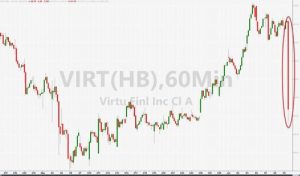
 SEC Launches Review Of High-Frequency Traders’ Market Abuses
Tyler Durden, 09 June 2021
Nearly 8 years have passed since Michael Lewis published “Flash Boys”, raising awareness of the relatively new practice of high-frequency trading and its transformative impact on markets, allowing the most technologically-advanced traders to effectively see a picture of the market that’s nanoseconds ahead of what their non-NFT peers see, giving them a massive advantage.
Now, the SEC is finally considering changing the rules of how stocks are priced and traded to stop exchanges from incentivizing brokers (nowadays, particularly retail trading brokerages that have seen an explosion of activity in the past couple of years).
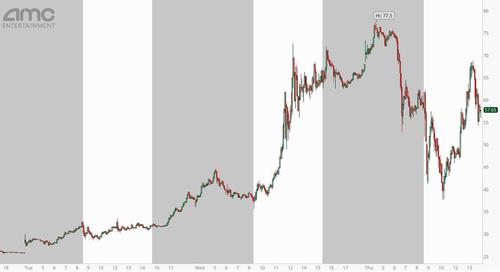 Pouring more fuel on what was already today’s dumpster fire of a market, Bloomberg reported that according to a memo it had seen, Jefferies told clients its prime brokerage arm will no longer allow the execution of short sells in meme stocks such as AMC, GameStop and MicroVision.
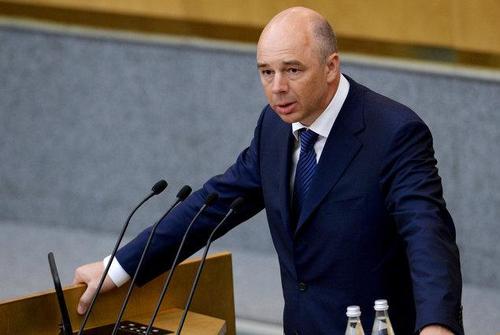 Following a series of corporate cyberattacks that American intelligence agencies have blamed on Russian actors, Russia’s sovereign wealth fund (officially the National Wellbeing Fund) has decided to dump all of its dollars and dollar-denominated assets in favor of those denominated in euros, yuan – or simply buying precious metals like gold, which Russia’s central bank has increasingly favored for its own reserves.
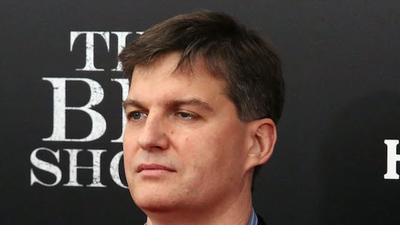 Today is the deadline for 13F filings and while we already know what most of the marquee hedge funds have done during the quarter thanks to previously leaked investor letters (with the notable exception of the Soros Family Office which we learned over the weekend bought some $375MM of the Archegos shares liquidated by its prime brokers in late March), one filing was of particular interest, that of Scion Asset Management’s Michael “Big Short” Burry. And boy were there surprises.
 Just about three months ago, I wrote a blog post which featured this quote, from Charles P. Kindleberger’s Manias, Panics and Crashes: “Swindles are a response to the appetite for wealth (or plain greed) stimulated by the boom.” Since then, the number of frauds, or swindles, that has been revealed has soared, a clear testament to both the breadth and degree of greed inspired by the current boom.
 It never ceases to amaze me how tone deaf those with power are.
  Elon Musk is taking his Boring Company circus on the road to Adelanto, California.
  Apparently, firing half a dozen executives including its head of risk management (Lara Warner, also one of the most high-ranking women in the global financial services industry) hasn’t done enough to quiet shareholders’ demands for change atop Credit Suisse, the Swiss banking giant that reported a $4.7 billion loss from the collapse of Archegos Capital Management, with billions of losses likely to follow from the collapse for Greensill.
 Would you pay more than 100 million dollars for a single deli in rural New Jersey that had less than $36,000 in sales during the last two years combined? I know that sounds like a completely ridiculous question, but the stock market apparently thinks that deli is worth that much. On Thursday, the Dow Jones Industrial Average closed above 34,000 for the first time in history, and investors all over the country cheered. But this financial bubble is not real. It is a giant mirage that is built on a foundation of fraud.
  In 2018, the Chinese launched a gold-backed, yuan-denominated oil futures contract. These contracts were priced in yuan, but convertible to gold, raising the prospect that “the rise of the petroyuan could be the death blow for the dollar.”
 As we highlighted yesterday, Hawk Newsome, who heads up a Black Lives Matter group in Greater New York City, made the call for an investigation, telling the New York Post “If you go around calling yourself a socialist, you have to ask how much of her own personal money is going to charitable causes.”
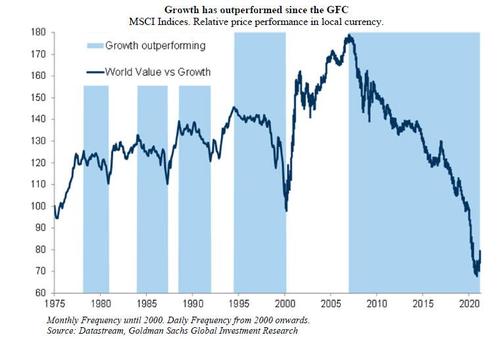 In many ways, David Einhorn’s Greenlight appears to be back to its “new normal” – in a letter sent to investors, Einhorn writes that Greenlight again underperformed the market and returned -0.1% in the first quarter, badly underperforming the 6.2% return for the S&P 500 index, before proceeding to bash the Fed, broken markets, Chamath and Elon, the basket of short stocks and much more.
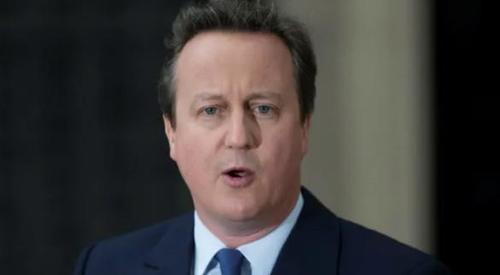 For British PM Boris Johnson, the fallout from the collapse of Greensill has been akin to being gifted a golden saucer filled with excrement. At the time, BoJo apparently didn’t see anything wrong with facilitating the lobbying objectives of one of his predecessors, former PM David Cameron. But now that the British tabloid press has sicced the hounds on the PM, he has apparently realized it’s time for some damage control.