
Financial System Has Come to an End – Martin Armstrong
Greg Hunter, 24 July 2021
 Legendary financial and geopolitical cycle analyst Martin Armstrong thinks we have come to the end of the line for the financial system, and this is why globalists are on a power grab of epic proportions. Armstrong explains, “The system has come to an end. They know they can no longer borrow indefinitely. So, what is this “Great Reset’?
It is basically a move to redesign the world monetary system. They are going to stop the borrowing that they are doing, and they are just going to print. You also have this move for a digital currency. Once they move to a digital currency, they can impose negative interest rates and just take money out of your account at will. People don’t realize what this really is. . . . I believe Bitcoin was started by the government to get this whole ball going. If I gave you a $100 bill, they don’t know where I got the $100 bill from. However, if I give you that in Bitcoin, not only do they know I gave it to you, but they know where I got it from. It can be completely traced all the way down. That is a tax authority’s dream. You have to understand what they are selling is really a totalitarian regime.”
 U.K. prosecutors have told Swiss authorities they have proof of an alleged money-laundering ring spanning from Africa to Europe that paid almost $380 million in cash bribes to authorities in the Democratic Republic of Congo.
 In June 2020, the World Economic Forum — working alongside officials from large corporations, banks, financial institutions and activist groups — launched a far-reaching initiative that aims to push the “reset” button on the global economy. They ominously called it the “Great Reset,” and since its creation, it has received a massive amount of support from leaders of the ruling class, both here in the United States and around the world.
 LexisNexis Risk Solutions, a global data and analytics firm, has published its annual True Cost of Financial Crime Compliance Global Report.
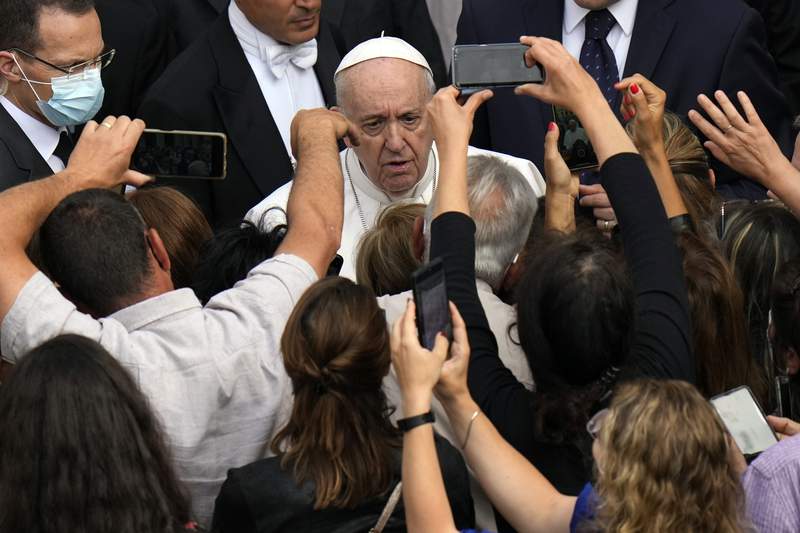 Rome – European evaluators said Wednesday the false belief that Vatican financial crime investigation and prosecution efforts not only suffer from understaffed and inexperienced, but also that their cardinals and bishops are unaffected by criminal activity. Warned that he was suffering from.
 Earlier this week the Council of Europe’s MONEYVAL published a progress report showing significantly improved ratings for Malta in its fight against money laundering and terrorist financing from a technical perspective. Thursday’s report clearly acknowledged the progress made since Malta’s earlier evaluation, at times doing so quite openly when confirming that, “Malta was among the first MONEYVAL countries to implement the regulatory and institutional framework and conduct assessment of money laundering and terrorist financing risks in this area. Malta’s rating on the implementation of this recommendation has been upgraded from ‘partially compliant’ to ‘largely compliant’.”
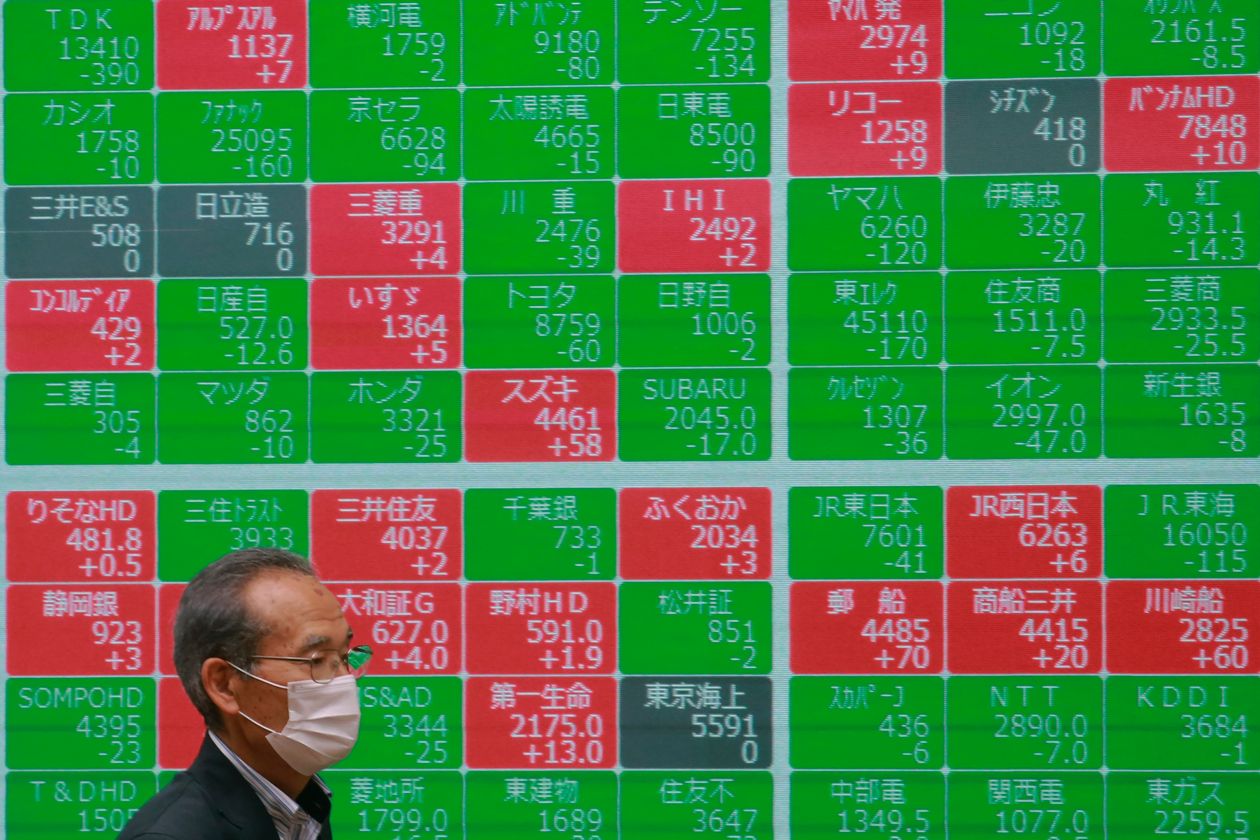 Global stock markets were mixed Monday as investors wrapped up a month of trading dominated by concerns over inflation and the pace of the international economic recovery.
 The Federal Reserve told Deutsche Bank AG DB 0.40% in recent weeks that the lender is failing to address persistent shortcomings in its anti-money-laundering controls, according to people familiar with the matter.
 The average price of residential property in Tirana has more than doubled since 2017. In a recent study which compares price-to income ratio, the capital of Albania was put on par with Munich and Milan. But is it reasonable to view the pricing-out of most prospective homeowners from the market as a negative development? Not necessarily.
 A groundbreaking new report by researchers in Essex has provided the first analysis into the expansion of Italian mafias across Europe. The report, published by the University of Essex, highlights how criminal groups embed themselves in countries and operate across borders, and the challenges of policing mafia-type crime.
  Good luck finding a major bank in Europe that hasn’t breached money laundering regulations.
 Authorities in Europe have dismantled several investment fraud schemes across the continent and recovered some of the money victims lost. Confiscation of proceeds from crimes is a strategic priority of the European Union, Europol said.
 The financial watchdog overseeing Danske Bank A/S says the European Union needs to re-examine the limits of client privacy if it’s serious about fighting money laundering and other forms of financial crime.
 Dutch authorities have hit the third largest bank in the Netherlands with a penalty of more than a half a billion dollars for longstanding failings in nearly every area of its fincrime compliance program, including lax customer risk scoring, shoddy alert investigations and missed reports of potential suspicious activity.