South Korea Changes Course and Begins Investigating CBDCs
John Anlyt, 13 June 2021
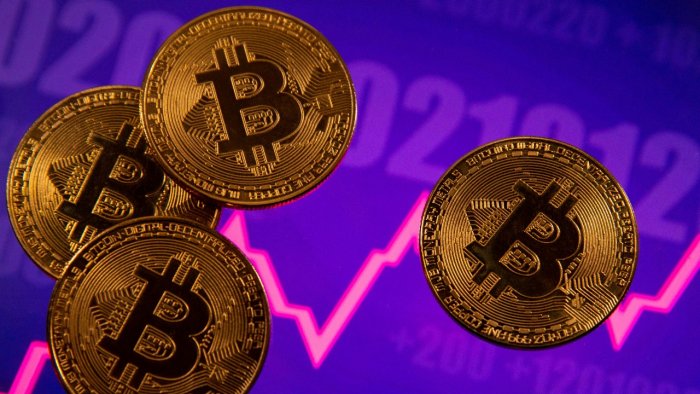 The central bank of South Korea (BOK) announced this week the launch of a second specialist team to supposedly develop a digital currency central bank (CBDC) a year after dissolving their first group of researchers.
The entity said it will rededicate itself to studying everything related to the creation and implementation of a CBDC, and the formation of the new research group appears to be a direct response to China’s plans to issue a digital yuan.
The announcement surprised the crypto ecosystem as it signifies a turnaround in South Korea . A little less than a year ago, the BOK stated that there was almost no possibility of a CBDC in the country, which is why the cryptocurrency and digital currency research task force was dissolved .
The beginning of 2020, with China’s firm decision to launch its own CBDC, caused the BOK to change its stance on the issue and claim that it is now ” in the process of investigating ” the possible issuance of its digital currency.
The BOK clarified that its team of researchers will be small, with an initial appointment of eight members specialized in areas as varied as IT, human resources, economics and management.
Popular exchange LocalBitcoins has been suspending user accounts in some countries in Africa, the Middle East and Asia without notice . As reported by Forbes these weeks, some users can no longer withdraw their bitcoins from the platform, who only communicated that it is due to a “process of improvements.”
The exchange made no further public comment on the matter. The first complaints began to be noticed last week , when LocalBitcoins users in countries such as Afghanistan, Iraq, Nigeria, Syria and Pakistan expressed that they could not withdraw their Bitcoins without deleting their accounts.
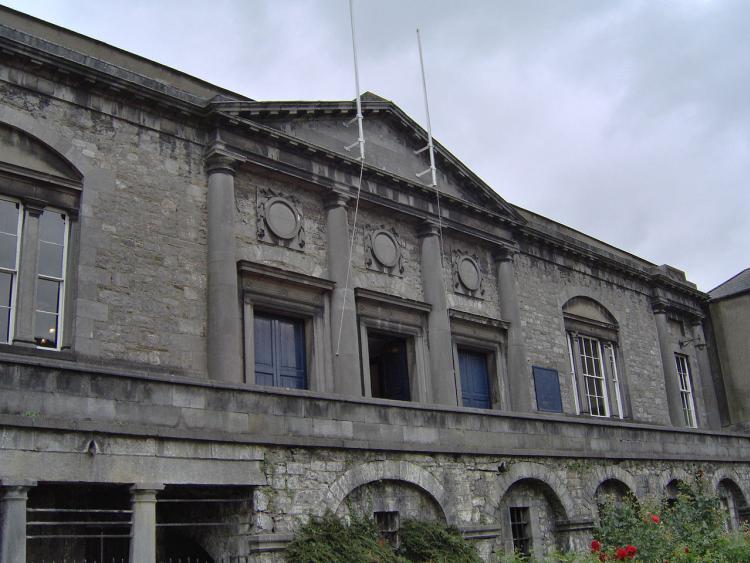 A businessman has been convicted of money laundering at Kilkenny Circuit Court. Bartholomew Ohanya, 42 Carin na Rí, Singland Road, Limerick, pleaded guilty to the charge.
 The Federal Government yesterday appealed to countries that are the main destination for illicit financial flows (IFFs) to freeze, seize and repatriate such funds. Minister of Finance, Budget and National Planning Mrs. Zainab Ahmed made the appeal during a virtual International Conference on Illicit Financial Flows (IFFs) and Asset Recovery.
 If the words of the Economic and Financial Crimes Commission (EFCC) Chairman, Abdulrasheed Bawa, are anything to go by, former Pertoleum Resources Minister Mrs. Diezani Alison-Madueke would soon be repatriated.
 In March 2014, a few days after Vladimir Putin’s forces invaded Crimea, a British official arriving for a meeting of the UK’s National Security Council failed to shield his notes from the Downing Street photographers. Any response to the Kremlin’s aggression should not, the notes read, “close London’s financial centre to Russians”. The government subsequently explained that it “wanted to target action against Moscow and not damage British interests”.