
ECU Group Accuses HSBC of Fraud and Misconduct Made on Its FX Trading Desk
Felipe Erazo, 15 June 2021
 A currency manager, ECU Group has accused the multinational investment bank, HSBC of fraud and misconduct within its foreign exchange (forex) trading desk between 2004 and 2006. According to a report published by the Financial Times, quoting a hearing at the UK High Court on Monday, an alleged ‘rotten culture’ between such a period allowed bankers to misuse confidential data.
In fact, the ECU Group claims that HSBC is responsible for having committed fraud related to 52 forex trades it placed with the bank in those years. The allegations were made in the context of a trial that expects to last for at least seven weeks. The banking giant denied all the claims made by the currency manager, the FT said. Continue reading “Article: ECU Group Accuses HSBC of Fraud and Misconduct Made on Its FX Trading Desk”
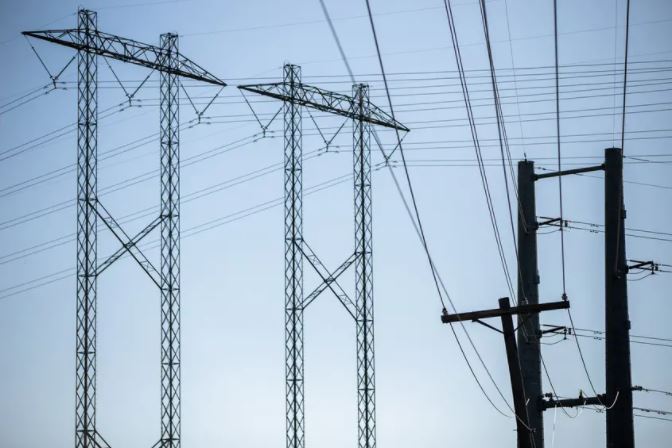 The Electric Reliability Council of Texas on Monday asked residents to reduce their electricity usage through at least Friday due to “tight” power grid conditions. A number of power plants are inexplicably offline at the same time as the state is experiencing record June demand for electricity.
  LexisNexis Risk Solutions, a global data and analytics firm, has published its annual True Cost of Financial Crime Compliance Global Report.
 THE Reserve Bank of Zimbabwe has named 18 companies that have been abusing the foreign exchange auction system.
  Nate Anderson’s Hindenburg Research, the short activist firm that burst onto the scene last fall with an exposé of electric truck maker Nikola, is back with its fifth big takedown of a special-purpose acquisition company.
 Doug Kelley has been working since 2008 to help organizations and individuals who lost billions in the Twin Cities businessman Tom Petters’ Ponzi scheme, the biggest financial crime in Minnesota history.
 As part of its 800 billion euro recovery fund, the European Union has excluded the 10 most hit banks in the debt market from lucrative bond sales because they have historically violated antitrust rules.
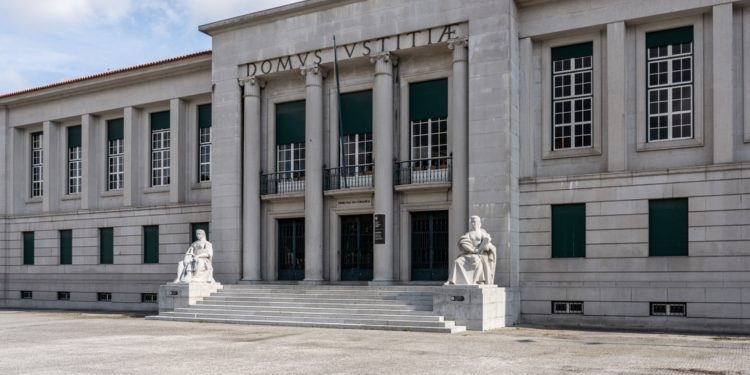 A Portuguese Court of Appeals ruled against a request from Switzerland for the extradition of whistleblower Trevor Kitchen, a British citizen currently residing on the Mediterranean island of Madeira. The decision goes against the wishes of the Public Prosecutor’s Office, which sought Kitchen’s extradition to Switzerland to face charges of defamation. Kitchen believes the extradition request was retaliation from Swiss authorities for his whistleblowing on currency manipulation.
  In an interview with PYMNTS, Mark Smith, head of payments for financial services at Amazon Web Services (AWS), said that “COVID has changed the conversation we’ve been having with payment customers, and it’s accelerated the trends we’ve been seeing over the past few years.”
 Outside of perhaps China, right now the big use case for central bank digital currencies (CBDCs) seems to be just talking about them. Crypto is cool right now and people are interested in digital money, so government and central bank officials are also spending a lot of time talking about their visions of how fiat currencies could be brought into this new realm.
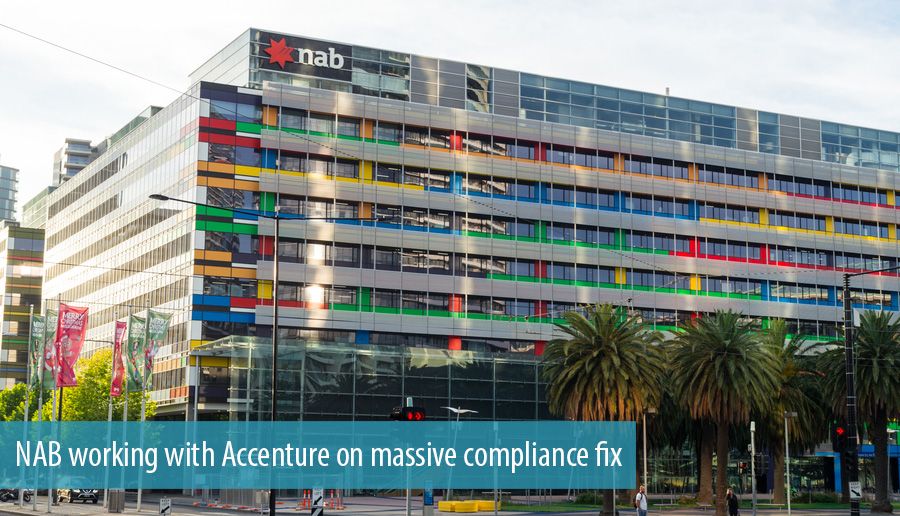 Consulting giant Accenture is reportedly working with the NAB on a “mammoth” project to fix the long-standing compliance issues which have recently led to increased regulatory scrutiny.
 U.S. equity futures and stocks posted modest gains Monday as investors prepared for a key Federal Reserve meeting later in the week. The rally in bond markets lost steam.
 HSBC Holdings Plc faced accusations from an ex-client that its “rotten” traders used confidential information to make a profit, at the start of a London trial examining allegations of front running at the bank’s foreign exchange desk over 15 years ago.
 Shares of companies controlled by billionaire Gautam Adani recouped a part their day’s losses after refuting a local report that said accounts of three Mauritius-based funds that own the group’s stocks were frozen.