
China threatens money launderers with higher fines
PENG QINQIN and LIAO ZHAOLONG, 03 June 2021
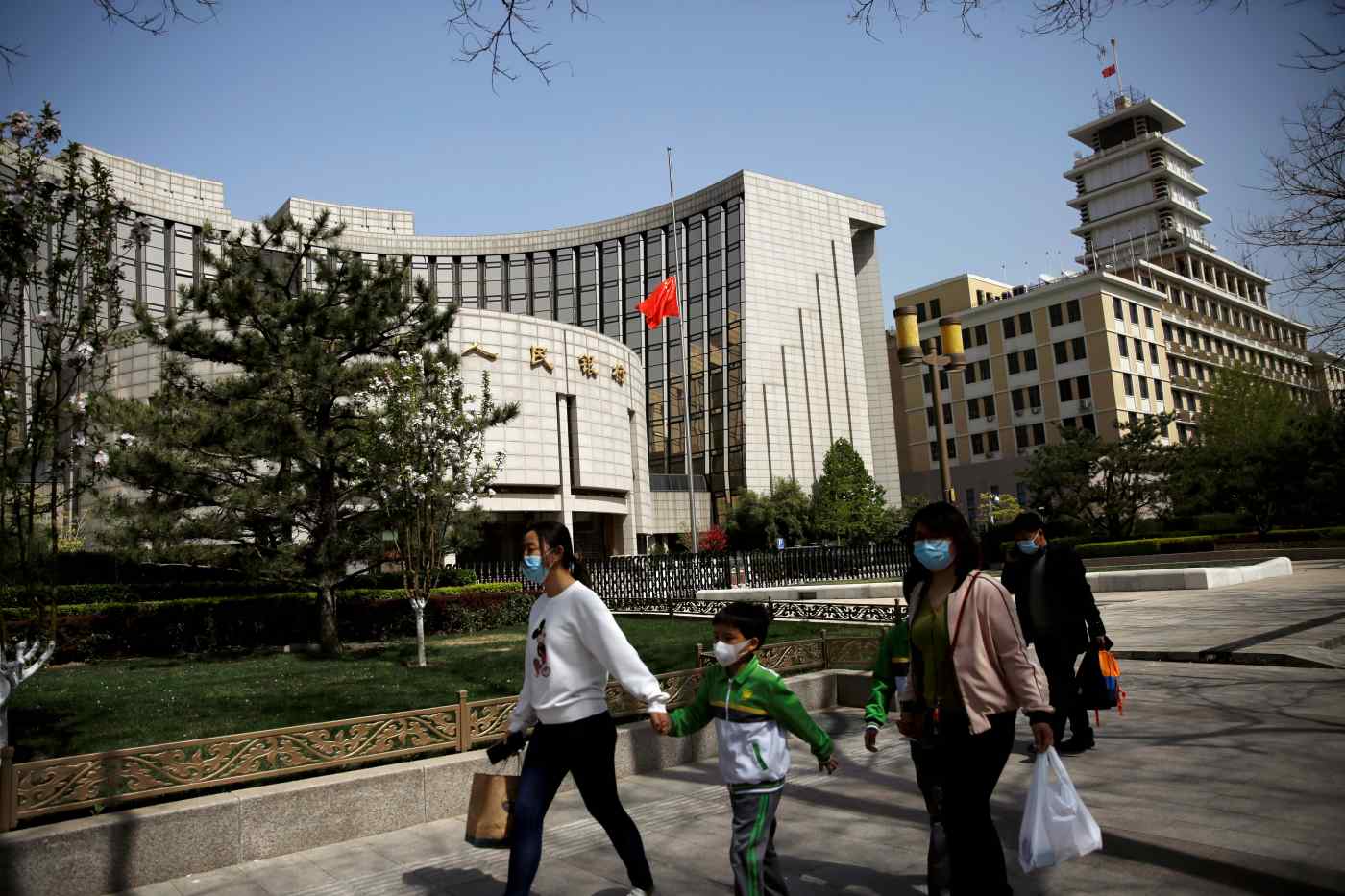 China is planning to beef up its law against money laundering with higher fines and a broader scope, according to a draft revision that would be the first update to the law in more than 14 years.
The People’s Bank of China (PBOC) on Tuesday released a draft of the revised Anti-Money Laundering Law that aims to adapt to changing financial practices and growing money laundering risks at home and abroad.
The revision would extend the scope of the law, which came into effect in 2007, to improve enforcement against terrorist financing and stipulate nonfinancial parties’ obligations in preventing money laundering. It would also increase fines for violating the law and failing to comply with preventive measures. Continue reading “Article: China threatens money launderers with higher fines”
 Ben Chung, one of the 47 democracy advocates charged with subversion, was denied bail for crowdfunding on an American platform, which the prosecution described as a typical pattern for money laundering.
 FinTech fraud spikes 159 percent in Q1 2021 along with stimulus spending.
 For every $1 Americans spend on food, just 14.3 cents go to farmers. As the first link in our food supply chain, farmers and ranchers don’t get to set the price of their products and assume incredible risk with every planting and each herd of animals.
 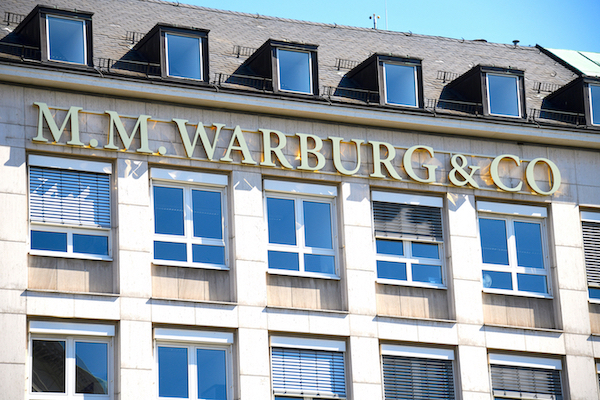 A former executive at private bank M.M. Warburg on Tuesday became the first banker to be jailed over a multi-year scam to bilk the German state of billions of euros by filing bogus claims for tax rebates on stock dividends.
 Amid an exponential increase in online fraud, an INTERPOL-coordinated operation codenamed HAECHI-I mobilized more than 40 specialized law enforcement officers across the Asia Pacific region. Over six months of coordinated intelligence collection and joint operations, police were able to intercept a total of $83 million in illicit funds transferred from victims to the perpetrators of cyber-enabled financial crime.
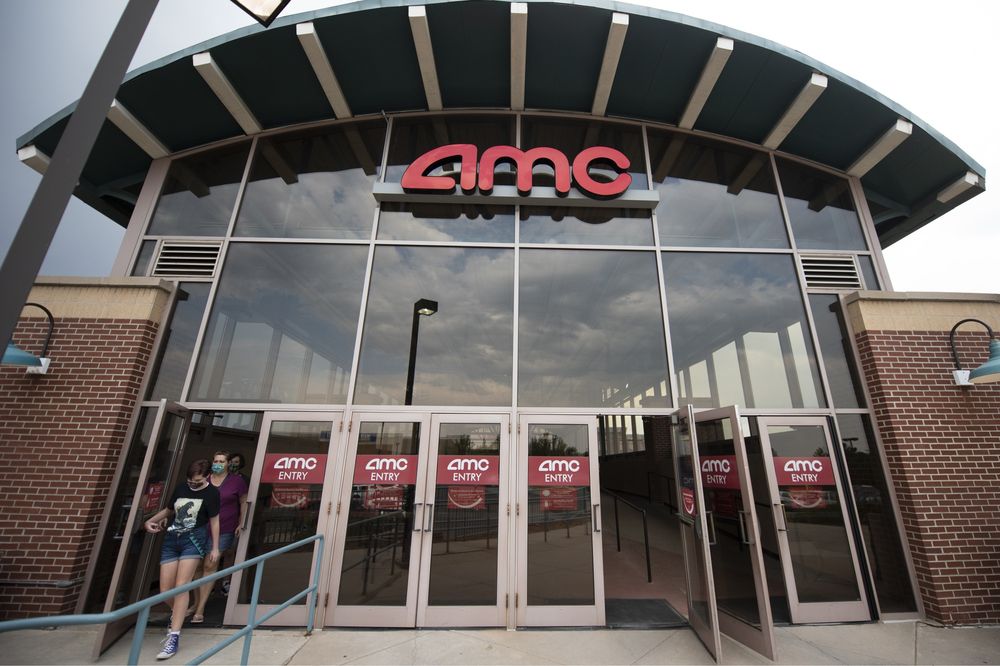 It has only been a few months since Reddit-enabled retail investors, or what some unflatteringly refer to as the “retail mob,” embraced GameStop Corp. and drove its valuation to the moon only to be frustrated by a sudden change against them in the rules of the game. Today, it’s all about AMC Entertainment Holdings Inc., whose skyrocketing value this week has already overcome what would normally curtail investor enthusiasm. The similarities are notable, as is the broader message about what is happening to the investment landscape.
  Why does the US advocate a free market while stifling it too? The current US-China economic war is a perfect example of this perplexing question. The legacy of Milton Friedman, the founder of America’s modern political economy, was a representation of this very dichotomy: the use and manipulation of the concept of the free market.
 NORFOLK — Demand for renovations and new homes is hot. “There’s a lot of people who realize they don’t like their house when they were stuck in it in the pandemic,” Erica Daake, manager at Whitecliff Developments said.
  What happened
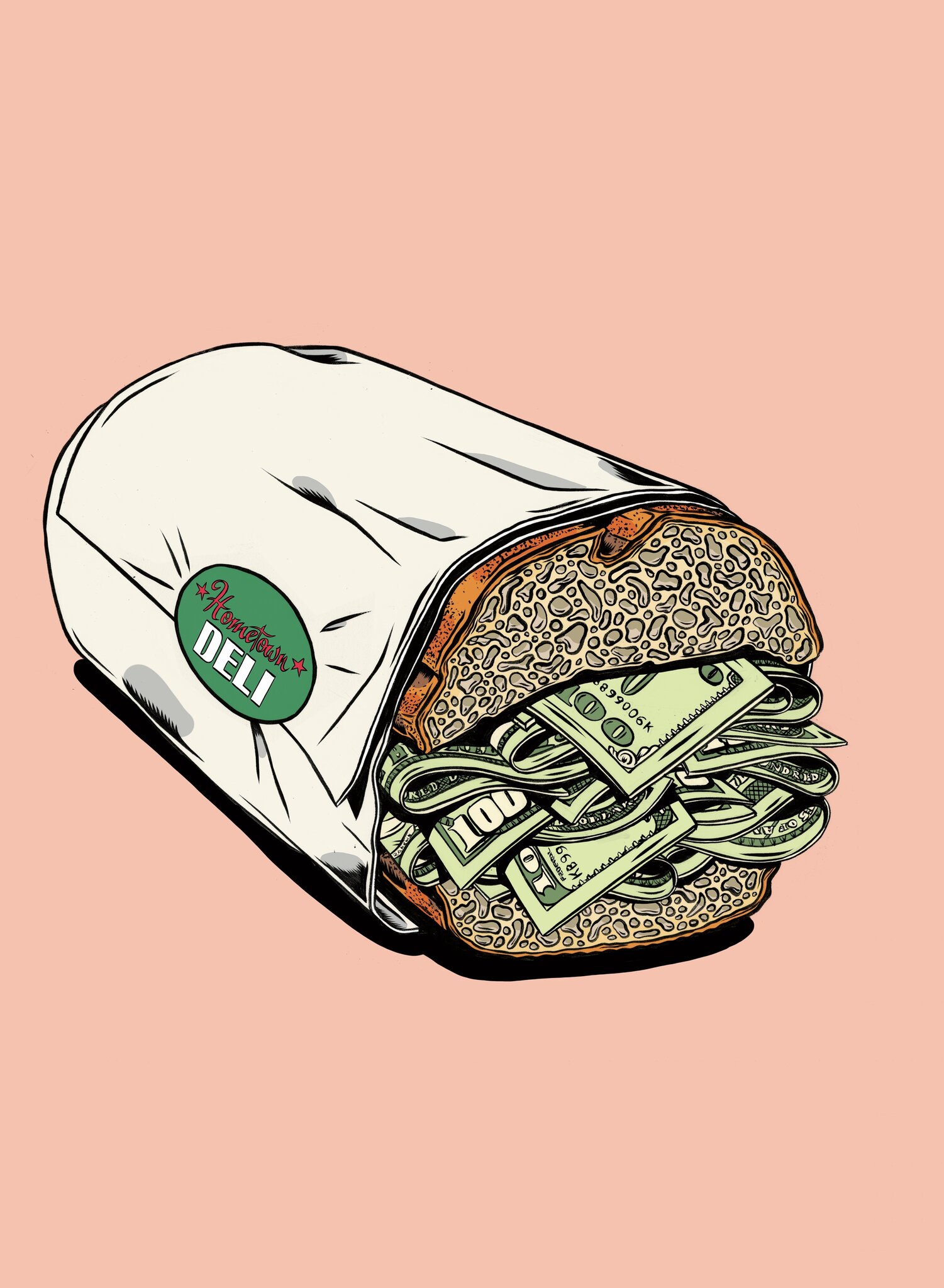 In a letter to his investors this April, David Einhorn, founder of the hedge fund Greenlight Capital and a well-known short-seller, complained that the stock market was in a state of “quasi anarchy.” As one piece of evidence, he pointed to Elon Musk, whose commentary on Twitter, Einhorn said, amounted to market manipulation. “The laws don’t apply to him, and he can do whatever he wants,” Einhorn noted. As another example, he cited a restaurant in rural New Jersey called Your Hometown Deli, which despite making $13,976 in revenue last year had somehow attained a value of $113 million on the stock market.
  Money laundering, for the general public, is the stuff of gritty dramas like Ozark or the notorious dealings of Pablo Escobar and El Chapo. In popular culture, it is depicted as an activity to be done in the dark of night with neatly-stacked wads of cash deposited into duffel bags. The reality, however, is much more banal, with most money laundering occurring in the guise of an unremarkable series of transactions designed to obfuscate the trail for any who might be inclined to investigate.
 Cash-strapped businesses grappling with the cost of the pandemic are increasingly securing loans against the value of unpaid invoices, or ‘factoring’ as it is often referred to.
 Reconnaissance Energy Africa continues to come under fire from various sources, including short sellers, but it has received public affirmation for its plans from local government in Namibia.